

- PrintDhaksha12Admin
- November 16, 2025
- No Comments
The Future of Printing: How Modern Printing Technology is Transforming Businesses
Printing has changed a lot in the last few years. Today, printing is not just about ink on paper. It is about quality, speed, technology, and customer experience. Businesses now look for printing companies that can offer more than basic prints. They want advanced printing solutions that support their brand, improve marketing, and help them grow.
At Daksha Print & Pack, we see these changes every day. In this blog, we will explain how modern printing technology is transforming the business world and why choosing the right printing partner matters.
1. Printing Is Now Faster and Smarter
From Traditional to Modern Printing: A New Era of Speed & EfficiencyThink back to the old days. Traditional printing methods were complex, time-consuming, and required
significant manual intervention. A large order meant days, or even weeks, of waiting.Modern technology has flipped this script entirely.
The advancements in Digital Printing and high-speed Offset Printing have introduced
unbelievable efficiency. Today’s machines are sophisticated systems that complete massive projects
in minutes, not days. They are managed by smart software that ensures consistent color, perfect
alignment, and reduced setup time.
The Real-World Benefits for Your Business
- Faster Market Entry: Need to launch a product with new packaging next week? No problem. Faster printing means quicker turnaround, eliminating the marketing delays that used to plague product launches.
- Consistent Quality, Every Time: Smart machines drastically reduce human error. Whether you print 100 copies or 100,000, the last piece will look identical to the first. This consistency is essential for maintaining brand integrity.
- Lower Wastage (and Cost): Precision machinery means fewer mistakes, less wasted paper, and a reduction in ink consumption. This not only saves resources but also lowers the final cost of your print job.
- ‘Just-in-Time’ Inventory: You no longer need to store thousands of boxes or brochures in a dusty warehouse. Modern speed allows you to order what you need, when you need it, freeing up valuable storage space and working capital.
2. High-Quality Printing Builds Trust and a Strong Brand
In today’s visual economy, customers are constantly making judgments. A cheap-looking brochure or a flimsy
box sends a subliminal message: “This brand cuts corners.”
Conversely, high-quality printing immediately elevates perception. Modern technology allows for rich,
true-to-life colors, special finishes like spot UV or embossing, and materials that
feel substantial in the hand. This is known as tactile branding, and it’s incredibly powerful.
Your Printed Materials Are Your Brand Ambassadors
- Premium Packaging Boxes:
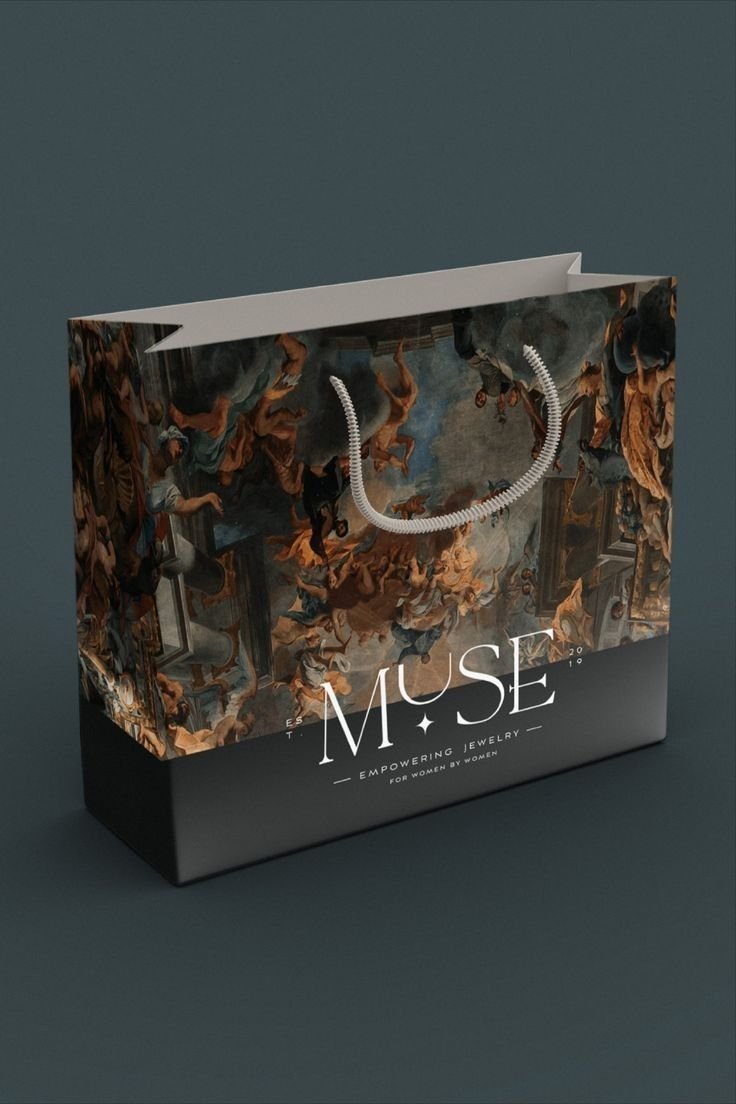
The unboxing experience is a massive trend. A sturdy, beautifully printed box makes the product inside
feel more valuable. - Professional Business Stationery (Cards, Letterheads):
A thick, textured business card doesn’t just hold contact information; it conveys professionalism
and permanence. - High-Impact Flyers and Brochures:
With modern color management, your marketing materials can use exact, vibrant brand colors that grab
attention and never look faded or washed out. - Branded Merchandise (Diaries, Calendars):
When these items look premium, they stop being simple giveaways and become long-term, high-quality
brand advertisements sitting on a customer’s desk.
When you invest in high-quality prints, you are investing in trust. You are signaling to customers
that you care about detail — making your brand instantly more reliable, premium, and desirable.
3.Eco-Friendly Printing: Good for the Planet, Great for Your Image
Sustainability is no longer a niche trend—it’s a fundamental business requirement. Customers, especially
younger generations, actively seek and prefer brands that prioritize environmental responsibility.
Modern printing has responded by becoming dramatically greener, thanks to advanced materials, machinery,
and eco-friendly production methods.
Sustainable Practices Driving Change<
- Non-Toxic Inks: Switching from petroleum-based inks to Soy or Vegetable-based inks significantly reduces volatile organic compounds (VOCs) released into the air, making the printing process cleaner and safer.
- Recycled and Sustainable Materials: The quality of recycled paper has improved tremendously. Today, you can achieve premium results using materials certified by organizations like the Forest Stewardship Council (FSC).
- Energy-Efficient Machinery: New-generation printers consume far less power compared to traditional machines, reducing the overall carbon footprint of your print job.
- Waste Reduction: Modern precision technology minimizes spoilage, meaning fewer errors, fewer wasted sheets, and a significant drop in landfill contribution.
4. The Era of Easy Customization and Personalization
In the past, customization meant high costs and complicated setups. Businesses were forced to print one huge
batch of the same item, even if they needed small variations.
Modern Variable Data Printing (VDP) technology has completely changed this. It allows you to print
different content, colors, images, or text within a single print run—without slowing down the press or raising
costs significantly.
How Businesses Are Using VDP
- Personalized Direct Mail: Sending 1,000 flyers where each flyer includes the customer’s name, custom offers, or product suggestions based on past purchases. This dramatically increases engagement and response rates.
- Packaging Variations: Printing a product line with 50 different artistic designs or creating special edition packaging for different regions—all within one order, without stopping the machine or changing plates.
- Targeted Labels: Printing 10,000 product labels where details like ingredient lists, flavors, or sizes vary smoothly, controlled by smart printing software.
5. Packaging Printing: Where Design Meets Durability
Today, the package is the first advertisement. What was once purely protective has now become a powerful
sales and branding tool. Packaging creates the first impression long before a customer even touches the
product.
Modern packaging printing offers features that were impossible a decade ago, combining stunning visuals
with strong structural integrity.
Modern Packaging Printing Features
- High-Clarity Graphics: Crisp, high-resolution images, sharp typography, and vibrant logos that instantly stand out on shelves.
- Specialized Finishing: Soft-touch coatings, metallic foiling, embossing, debossing, and precise die-cutting that create unique shapes and premium tactile appeal.
- Strong, Food-Safe Materials: Modern printing technology supports a wide range of substrates—from corrugated boxes to flexible pouches—while meeting essential food-safety and industry standards.
6. Why the Future of Printing Is Incredibly Bright
The printing revolution is far from over. It is now integrating with advanced technologies, creating
unprecedented opportunities for businesses across all industries.
Emerging Technologies Transforming Printing
- AI-Based Design and Automation: Artificial Intelligence is transforming the design-to-print workflow by automating setup, enhancing color accuracy, predicting errors, and even suggesting design adjustments to minimize waste and reduce material usage.
- 3D Printing (Additive Manufacturing): While very different from commercial packaging, 3D printing has revolutionized prototyping. Businesses can now test packaging shapes, product designs, and structural ideas within hours instead of waiting weeks for physical samples.
- Smart Packaging: Future packaging will integrate digital technology—including QR codes for augmented reality experiences, NFC chips that deliver instant information when tapped by a smartphone, and intelligent labels that support traceability and re-ordering.